
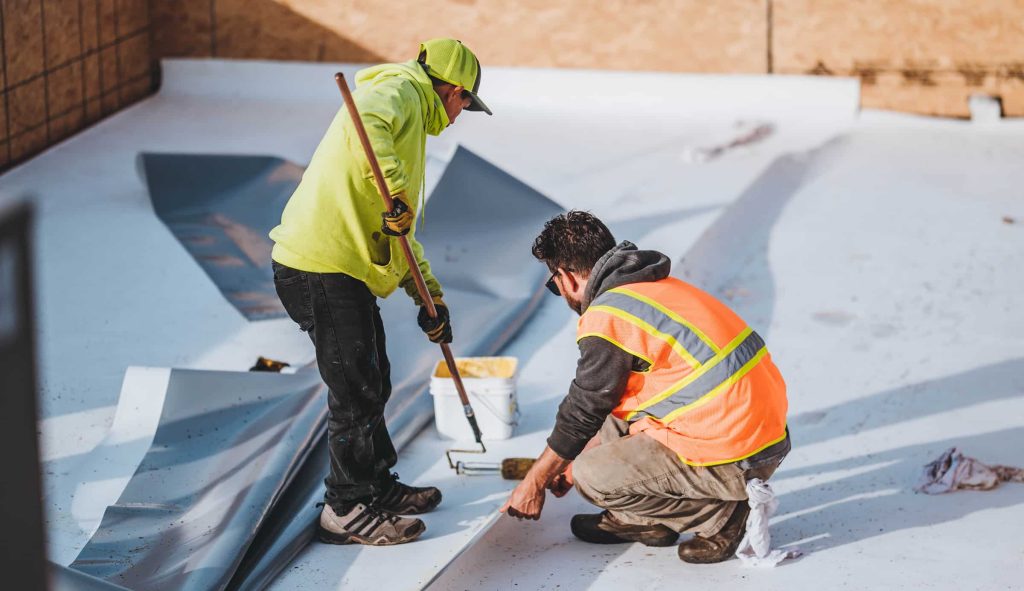
TPO Roofing Contractors Guide: Commercial Flat Roof Solutions in Tupelo
Commercial properties in Northeast Mississippi operate under rigorous environmental demands. Commercial building owners and facility managers in Tupelo must navigate relentless solar exposure, sudden violent storms, freeze-thaw cycles, and heavy atmospheric moisture. Selecting the right commercial roofing system is critical not only for weatherproofing and structural protection, but also for controlling long-term operational overhead, energy efficiency, and building safety. Among modern single-ply roofing technologies, Thermoplastic Polyolefin (TPO) membrane roofing has established itself as the leading standard for flat and low-slope commercial structures across Lee County.
Whether managing a retail center in downtown Tupelo, an industrial warehouse, or a medical facility, understanding the engineering behind TPO membranes empowers you to make informed capital improvement decisions.
What Is TPO Roofing? Technical Composition & Core Specs
TPO is a single-ply elastomeric membrane synthesized from a blend of polypropylene and ethylene-propylene rubber polymers, reinforced with a heavy-duty woven polyester fabric scrim. This combination unites the durability of rubber with the heat-weldable flexibility of plastic.
- Membrane Thickness Options: Commercial TPO membranes typically come in 45-mil (0.045 in.), 60-mil (0.060 in.), and 80-mil (0.080 in.) thicknesses. While 45-mil serves standard low-traffic structures, 60-mil and 80-mil options provide superior puncture resistance against high wind debris and routine rooftop HVAC foot traffic.
- Reflectivity & CRRC Ratings: Certified by the Cool Roof Rating Council (CRRC), high-reflectance white TPO membranes reflect up to 87% of solar heat and radiate up to 90% of absorbed thermal energy. This drastic reduction in thermal transfer lowers interior summer cooling loads by 20% to 35%.
- Hot-Air Welded Seams: Unlike EPDM rubber roofs that rely on liquid adhesives or double-sided tape that degrade over time, TPO sheets are fused together using specialized hot-air welding equipment at temperatures exceeding 900°F (480°C). The resulting physical bond is stronger than the surrounding membrane itself.
TPO Installation Methods & Insulation Options
A high-performing TPO roof relies heavily on the substrate beneath it. During a full commercial installation or tear-off, contractors implement one of three main attachment methods over rigid insulation boards:
- Mechanically Attached Systems: The membrane is secured to the structural deck using heavy-duty stress plates and fasteners along the seam edges. This is the most cost-effective installation method for standard steel or wood decks.
- Fully Adhered Systems: The membrane is bonded directly to the substrate using solvent-based or water-based adhesives. This option provides maximum wind uplift resistance, ideal for hurricane-fringe wind zones in Mississippi.
- Induction-Welded Systems: Fasteners and specialized bonding plates are installed under the insulation, and electromagnetic induction tools weld the underside of the TPO sheet directly to the plates without puncturing the top membrane.
Insulation Substrates: Most commercial TPO installations utilize Polyisocyanurate (Polyiso) rigid insulation boards, providing an exceptional R-value (typically R-5.7 to R-6.0 per inch) to meet modern Mississippi energy conservation codes.
Commercial Flat Roof Systems Comparison
| Technical Feature | TPO Roofing | EPDM (Ethylene Propylene) | Modified Bitumen (Mod-Bit) |
| Seam Assembly | Hot-air heat welded | Solvents / Primer Tapes | Torch-down flame / Cold adhesive |
| Thickness Range | 45, 60, and 80 mil | 45 and 60 mil | 90 to 160+ mil (Multi-ply) |
| Solar Reflectance Index (SRI) | High (100+ for white) | Low (Typically 9–15) | Moderate to High (Granule surface) |
| Chemical & Oil Resistance | Excellent (HVAC grease/oils) | Poor (Breaks down under oil) | Moderate |
| Average Service Life | 22 – 30 Years | 15 – 25 Years | 15 – 20 Years |
Preventative Maintenance & Repairs in Tupelo
Ponding water (water remaining on a flat roof longer than 48 hours) is the leading cause of premature commercial roof failure. In Northeast Mississippi, unaddressed ponding water rapidly breeds algae, accelerates membrane degradation, and places extreme weight loads on structural trusses.
Proper commercial maintenance includes:
- Installing tapered Polyiso insulation crickets to direct water flow toward scuppers, internal drains, and gutters.
- Performing heat-welded TPO patch repairs around mechanical penetrations, skylights, and roof hatches rather than applying temporary caulking or mastic.
- Coordinating flat roof edge tie-ins with underlying structural framing, masonry parapet walls, and concrete equipment pads.
Building Code Compliance & Licensing
Commercial roofing projects in Northeast Mississippi must comply with the International Building Code (IBC) Chapter 15 and the International Energy Conservation Code (IECC) regarding minimum thermal insulation (R-values) and wind uplift design standards.
Hiring contractors licensed by the Mississippi State Board of Contractors (MSBOC) ensures that your property management team stays protected with verified commercial liability insurance, workers’ compensation coverage, and strict adherence to OSHA safety guidelines.
Partner with Tupelo’s Commercial Roofing Experts
Are you ready to optimize your commercial building’s energy performance and watertight protection? Magnolia State LLC provides end-to-end commercial and residential construction solutions—including commercial TPO roofing installations, structural framing, site dirtwork and grading, and custom commercial builds across Northeast Mississippi.
Contact our commercial team today to schedule an on-site property evaluation and receive a free commercial estimate.
Sources & References
- Commercial Roofing Engineering & Testing:
- Single Ply Roofing Industry (SPRI): SPRI Technical Standards for Single-Ply Membranes – National testing parameters for wind uplift, puncture, and seam strength.
- National Roofing Contractors Association (NRCA): NRCA Commercial Low-Slope Manual – Quality control guidelines for TPO hot-air welding and flashings.
- Cool Roof Rating Council (CRRC): Rated Products Directory – Thermal emittance and solar reflectance ratings.
- Building Codes & Regulations:
- International Code Council (ICC): International Building Code (IBC) Roof Assemblies – Structural load and weatherproofing compliance.
- Mississippi State Board of Contractors: MSBOC License Verification – Commercial building contractor licensing requirements in Mississippi.